Bozhidar Yanakiev · The Sculptor of Nature · Strandzha, Bulgaria
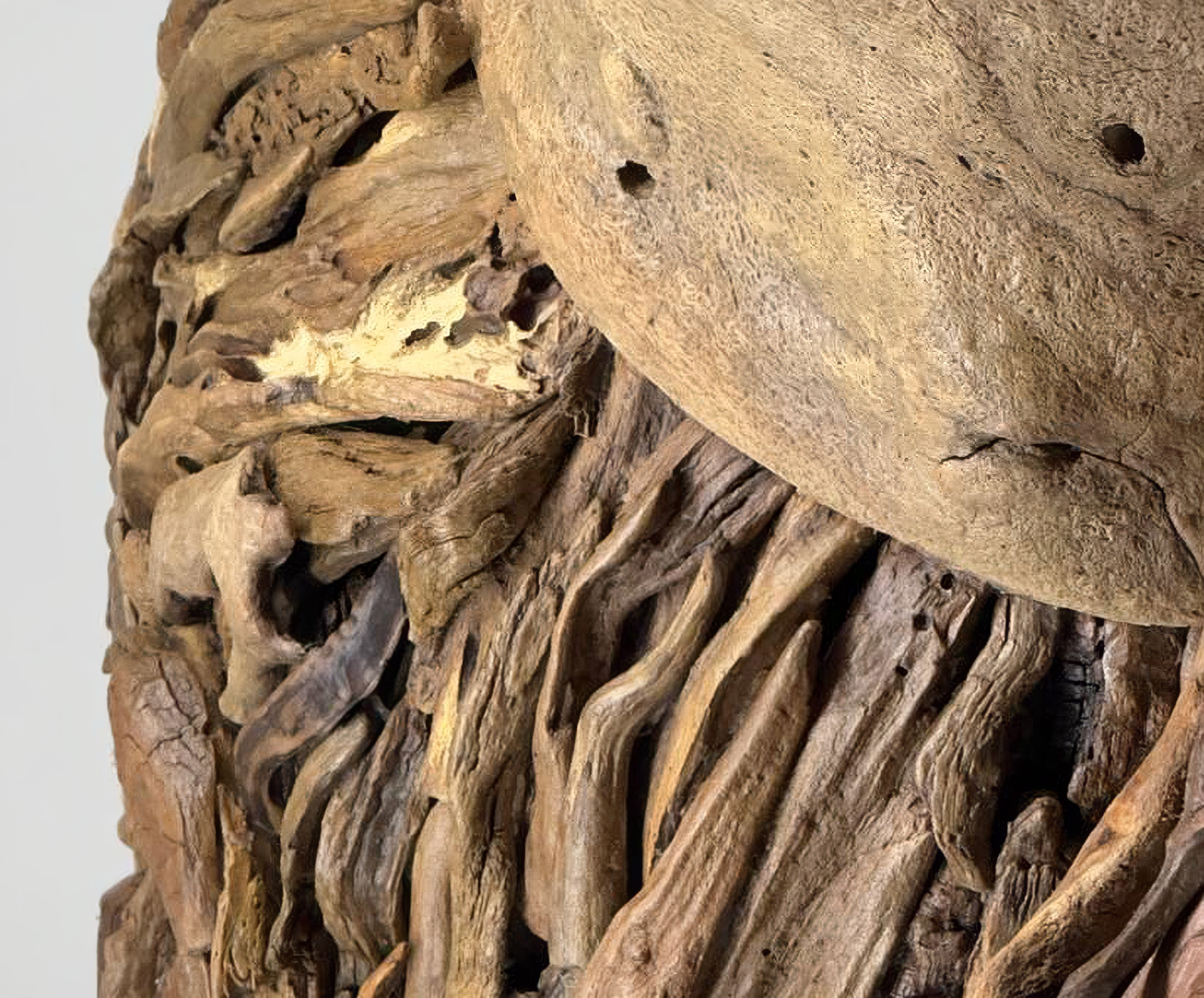
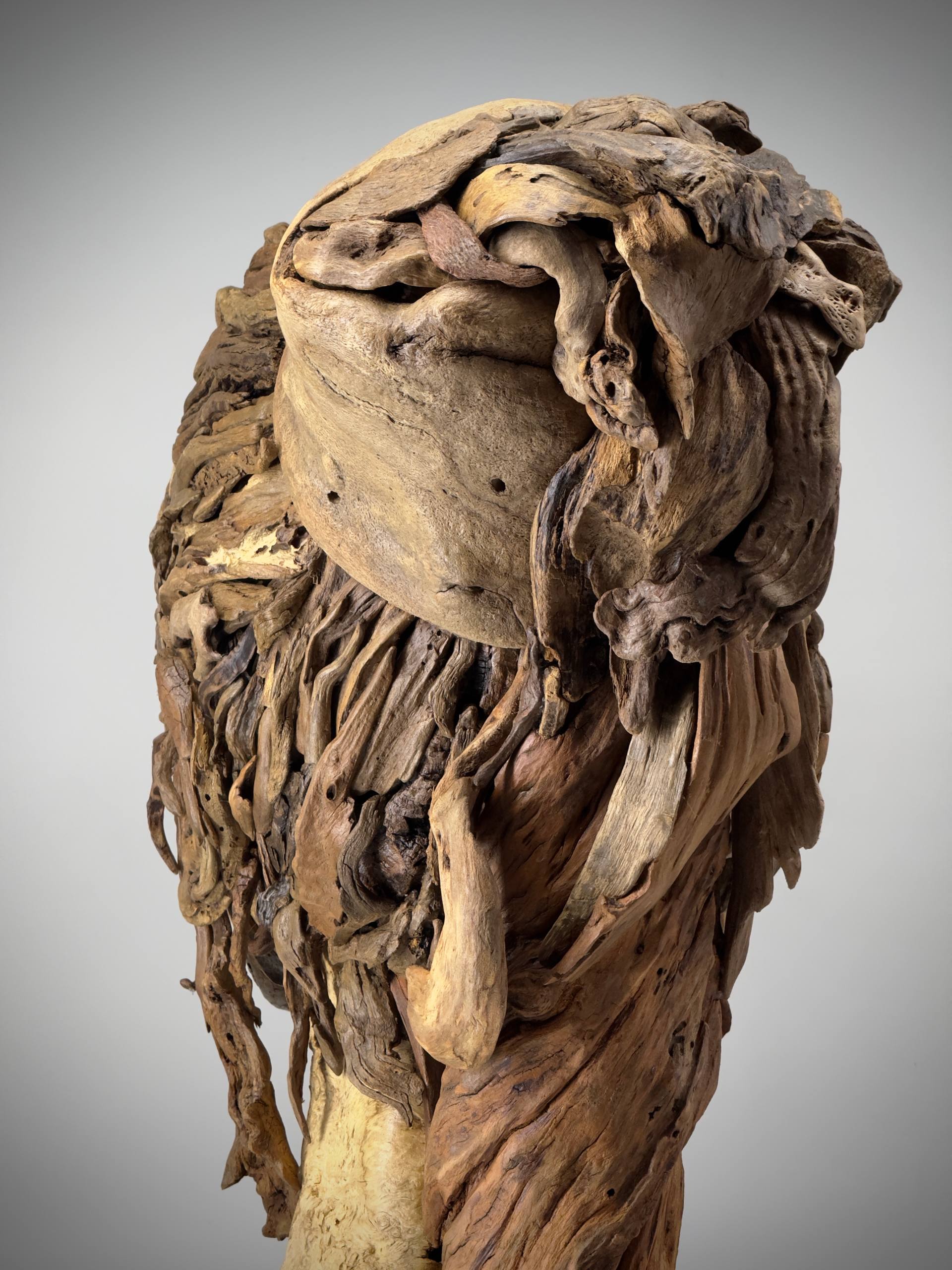
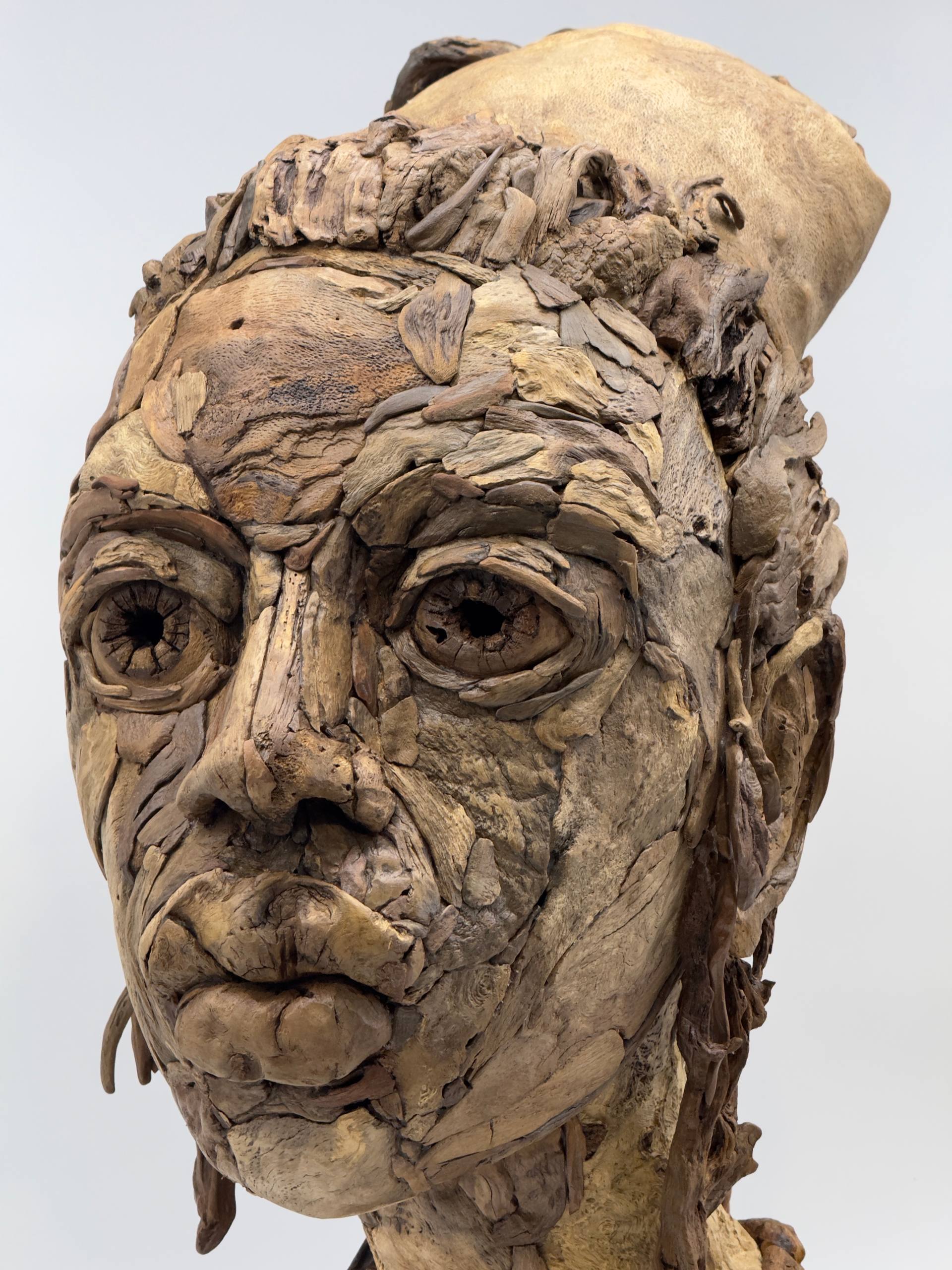
Deep in the forest of the mystical Strandzha mountain, shaped by drought and a hundred winters, there lie hidden treasures of ancient timber. Drawn out with a care and a patience only an artist possesses, they become the building blocks of a new kind of art — assembled like an ancient mosaic, every piece left exactly as the forest shaped it. They become the masterpieces of Bozhidar Yanakiev, the Sculptor of Nature.
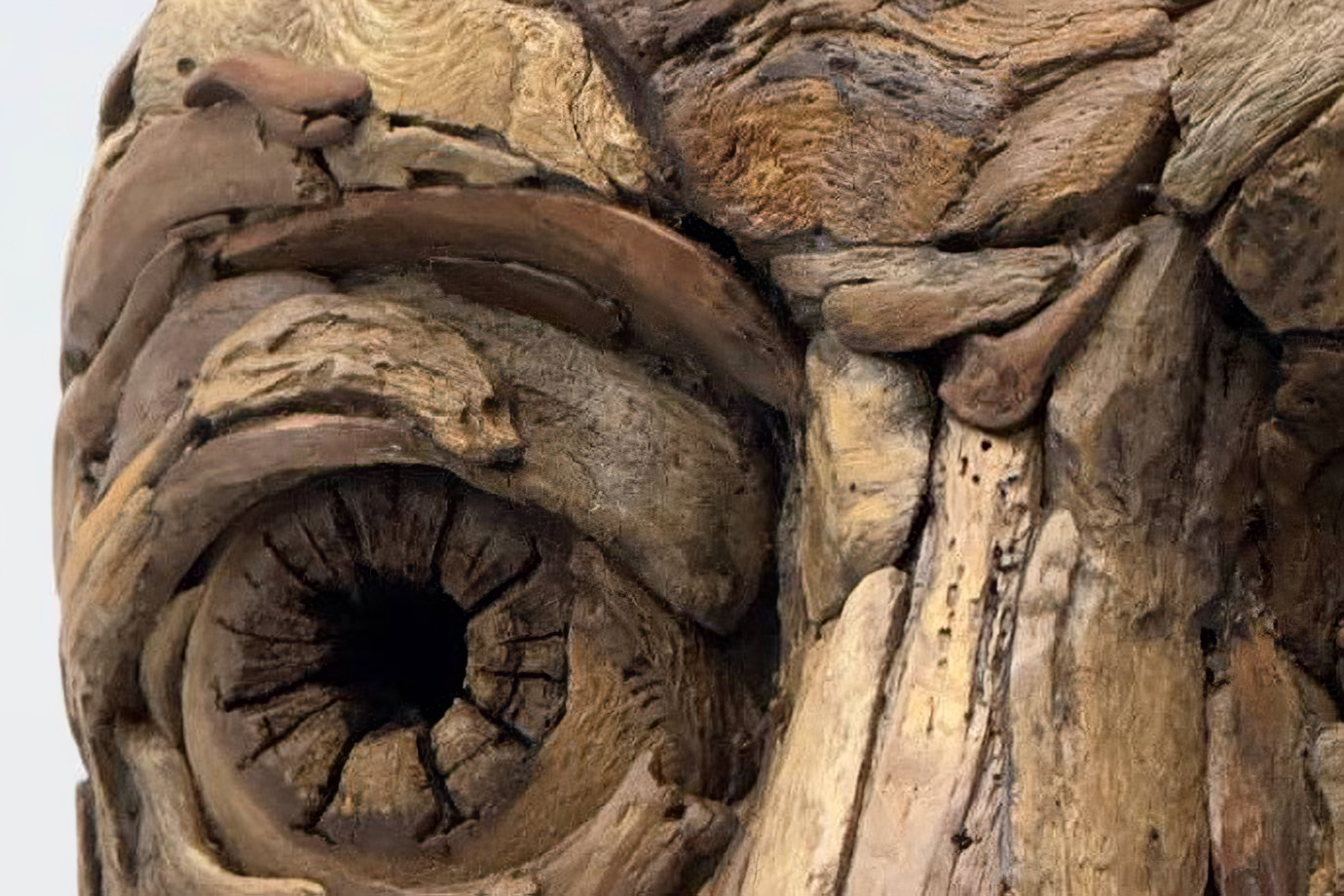
The forest births the fragments. The Artist assembles them into a single vision — hundreds of pieces, one masterpiece.
The Method
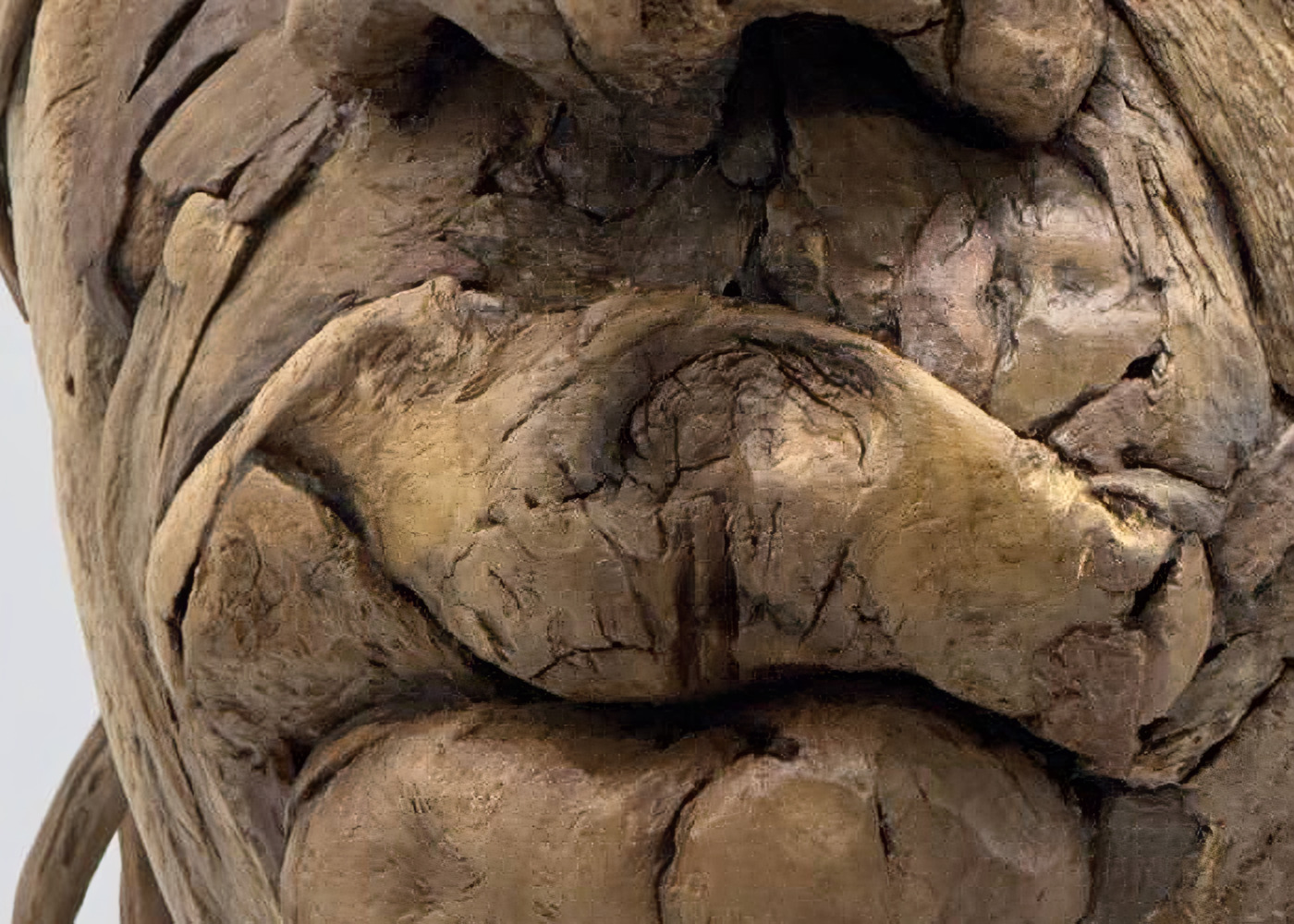
Like a mosaic, each work is built of small separate pieces, set one beside another until an image rises out of them.
No found piece is ever reshaped to fit. The mountain supplies each new piece already shaped: old, mystical forest of thin soil and long droughts, tree parasites labouring beneath the bark for decades, winters coming down hard off the ridges. The trees that endure it grow dense, dark and strange — trunks swerve back upon themselves, limbs knotted like rope, whole root systems open out like hands.
Those are his materials, and the rule he works to is simple: no piece is ever cut to fit. A carver imposes an idea on the wood and cuts until the wood gives way. Bozhidar Yanakiev has denied himself that. If a piece does not fit, it is not part of the puzzle — and sometimes it takes months until the perfect piece is found.
A carver forces the wood to obey. He must persuade it instead.
Bozhidar works at the scale of the fragment, where a single face may hold several hundred. The more intricate the vision, the longer the search for the perfect fit — which is why a work takes months, and sometimes years.
The Collection
The Sculptor of Nature
They call him the Sculptor of Nature — not because nature does the work, but because he has chosen never to work against it.
His material comes from Strandzha, among the oldest forests in Europe and among the least merciful, where weather works the trees the way water works stone until the grain is hard as bone. But a heap of roots and splinters is not a face. Seeing one waiting inside it, and then proving it true across hundreds of pieces, never once reshaping one to make it fit, is the whole of the art — and it is his alone.
These are old hills in another sense as well: the Thracians set one of the doors of the underworld somewhere among them, and the songs of Orpheus belong to this range.
More than thirty years in spatial design taught him to see a form before it exists. This is that same gift, brought to a heap of wood on a forest floor.
Every work is unique, signed, and accompanied by a Certificate of Authenticity.
Acquisition
No two are alike, and none can ever be repeated — the forest does not make the same shape twice. Each work travels in a crate built for it alone, insured, anywhere in the world. We are glad to send further photography, or a film of a piece turning slowly in the light.